PORTSMOUTH, Ohio- Shawnee State University is preparing for a major shift in its athletic program as the university transitions from the National Association of Intercollegiate Athletics to NCAA Division II competition.
The move represents a significant institutional change for the university, which has competed in the NAIA as a member of the River States Conference. Shawnee State is expected to transition to Division II play potentially within the Great Midwest Athletic Conference.
The shift could affect several aspects of the university’s athletics programs, including recruiting, scholarship opportunities, funding, travel schedules and the overall level of competition.
Student-athletes say the transition could bring increased visibility and new opportunities for Shawnee State athletics.
Jace Parnin, a baseball player at Shawnee State, said he first learned about the potential move to Division II last spring.
“My initial reaction was positive,” Parnin said. “I think it will be good for Shawnee in the future.”

Parnin said competing at the Division II level could help the university attract more athletes and expand recruiting efforts.
“When people hear Division II, they are more likely to be interested,” he explained. “There will be more opportunities.”
Parnin also believes the transition could increase support for Shawnee State athletics within the Portsmouth community.
“I think more people will become fans and come to more games as Shawnee grows bigger as a program,” Parnin said.
Athletic trainers say the transition could also bring change in how athletes prepare for competition.
Rileigh Elk, an athletic trainer at Shawnee State, said athletes moving into Division II competition may face opponents with higher skill levels and greater physicality.
“The only difference is that the caliber will be higher,” Elk said. “Athletes at that level tend to have a higher skill set, larger physical size and more aggression.”
Elk said those factors could increase the risk of injuries for athletes competing at a higher level. However, she noted that NCAA regulations could also improve injury prevention by establishing stricter season timelines.
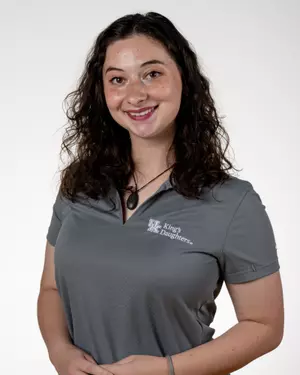
“With the increase in status, there is an increase in restrictions such as true season timelines,” Elk said. “This prevents what we are seeing now with overuse and constant training.”
Travel demands could also increase as Shawnee State joins a new conference with schools located farther away.
“The next division we are going into has further distance between participating organizations,” Elk said. “This will cause longer travel days, more frequent travel days and probably more overnight trips.”
Facilities and staffing could also become a challenge as the university adapts to Division II expectations, Elk said.
“Our training room already struggles to accommodate the number of athletes we have,” Elk said.
For current athletes, the transition represents both a challenge and an opportunity.
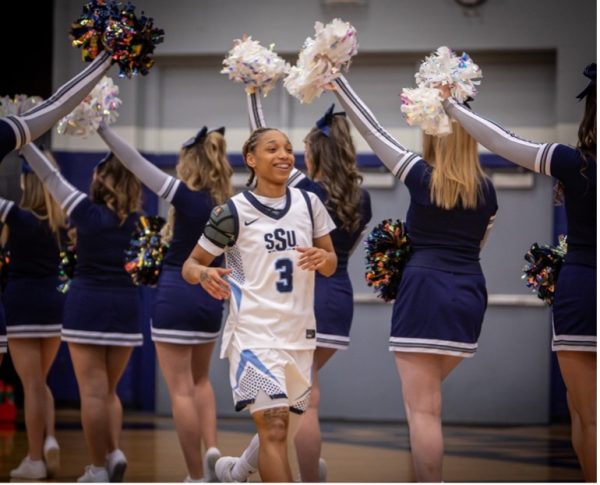
Myoshi Ellis, a senior on the Shawnee State women’s basketball team, said competing in the NAIA has already required a significant adjustment since transferring from junior college.
“It has been really good,” Ellis said. “I came from a junior college, so stepping up to play in the NAIA was a big change.”
Ellis said the move to Division II could help Shawnee State attract stronger recruits in the future.
“I definitely think this transition will help us attract strong recruits,” Ellis said. “More scholarship money can be given, and a lot of people want to play at the Division II level.”
As Shawnee State prepares for the transition, athletes and staff say the move could shape the future of the university’s athletic programs while bringing new opportunities and challenges to campus.